
Open with a hero piece
Anchor the box with one unmistakable showpiece — a glossy strawberry pop, a hand-dipped truffle, a slice of stained-glass brittle. Guests reach for the anchor first, then trust everything around it.
AnchorA field guide from our tasting counter to your gift box: how to balance glassy hard candy, slow-melt truffles, bright sours, and botanical jellies — so every guest finds a piece that tastes like it was picked for them.
An assortment is a cast list, not a clearance bin. These are the same six checks our counter team runs before any custom box leaves the shop — whether it is a twelve-piece birthday favor or a four-kilogram holiday slab for the office slab-pour.
Anchor the box with one unmistakable showpiece — a glossy strawberry pop, a hand-dipped truffle, a slice of stained-glass brittle. Guests reach for the anchor first, then trust everything around it.
AnchorSweet, sour, salty, bitter, aromatic. If two pieces in the box taste alike, evict one. A great assortment should read like a well-balanced menu, not a sugar mono-note.
BalanceGlass (hard), chew (gummy, taffy), melt (truffle, fondant) — plus cloud if you can swing it. Texture contrast is what keeps a third helping interesting after the second.
TextureJewel tones (cherry, emerald, amethyst) carry the drama; neutrals (cream, cocoa, oat) give the eye somewhere to rest. Aim for roughly two-thirds jewel, one-third neutral.
ColorChocolate below roughly 21°C, hard candy in any season, marshmallows far from humidity. Summer boxes lean brittle and bright; winter boxes earn their truffles.
ClimateA tiny card per compartment — name, key notes, dietary flags. It turns a pretty box into a considerate one, and it is the difference between “wow” and “wait, what is this one?”
Care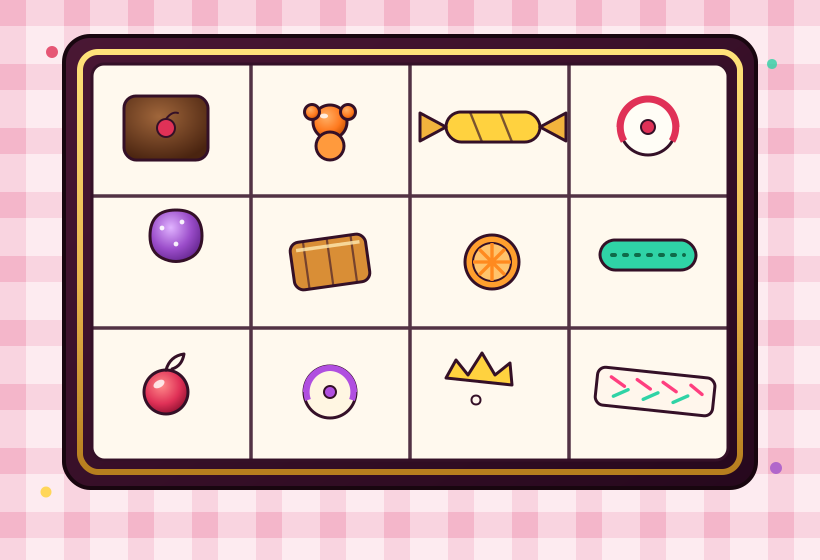
Tap a base note below and the Desk will suggest its natural partners, the format it shines in, and the one companion it should never meet. This is the exact quick-reference our counter team keeps behind the till during gift-box season.
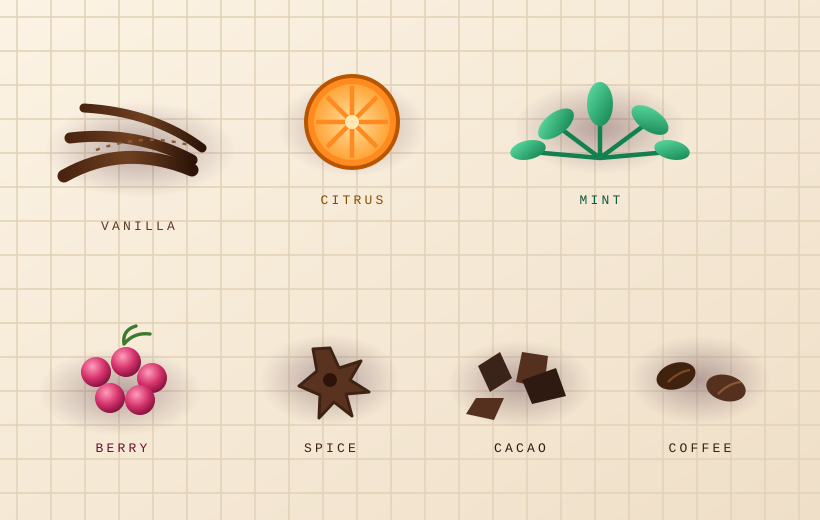
Pick a base note above and the compass will chart its pairings.
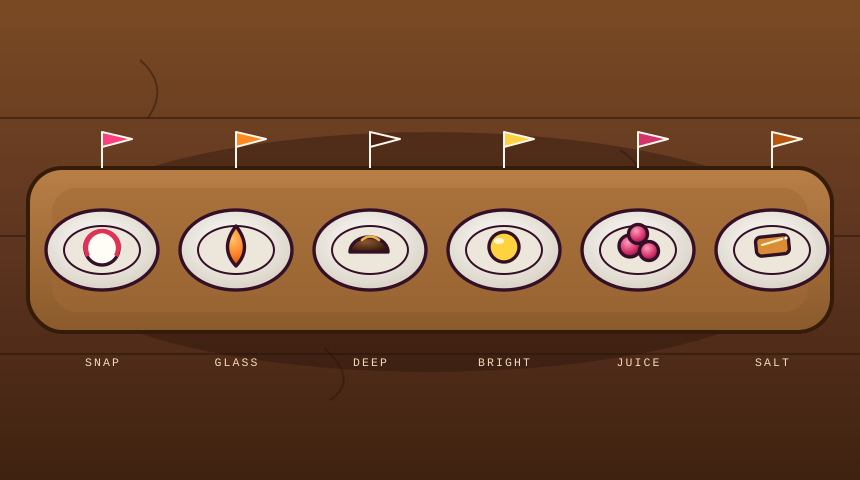
Taste moves from hard and fleeting to soft and slow. Order your box the way the palate takes it — glass first, cloud last — and every texture gets its spotlight moment instead of fighting the piece before it.
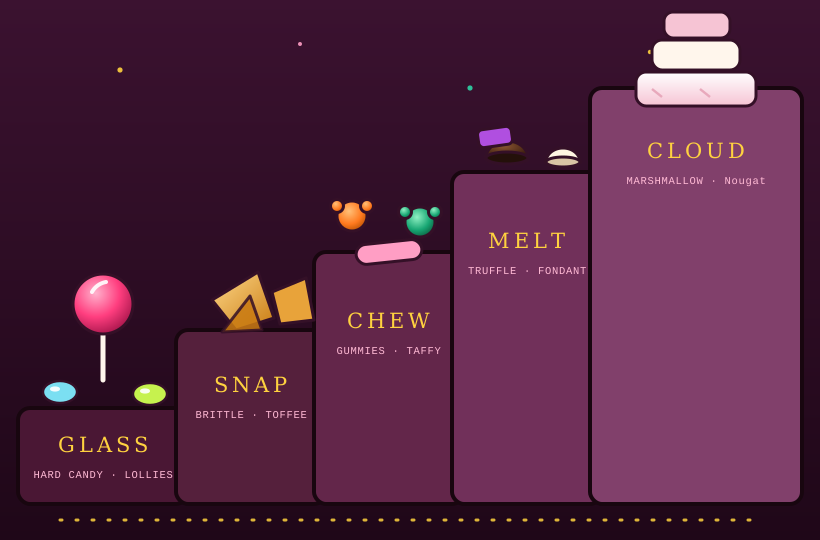
Counter wisdom: if your box is nine-tenths “melt,” add Snap. If it is nine-tenths Glass, add Cloud. Contrast — not volume — is what makes a guest ask for the recipe card.
Our working pour: half familiar favorites, a third crowd-pleasers with a twist, the rest wildcards. Choose an audience and a piece count — the mixer does the arithmetic our junior counter staff does by heart.
Piece Count
Who Is Pouring?
Your pour · 36 pieces
Classic Crowd — tip the familiar tier upward. Chocolate, caramel, peppermint, fruit drops: the greatest hits stay loud, with just enough intrigue at the edges.
Confectionery is farm-to-table wearing a sugar coat. Rotate the pour with the season and your assortment tastes current — even when the base favorites never change.
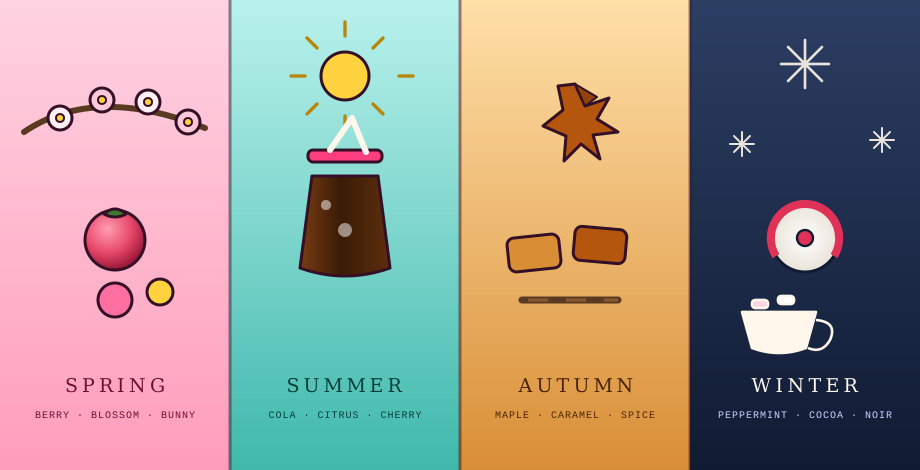
Berry drops, lemon pillows, honey-lavender caramels. Keep botanicals delicate; let rose and elderflower do the talking.
Cola knots, citrus hard candy, frozen-sicle gummies. Skip chocolate after July; humidity wins every argument.
Maple caramels, pumpkin-spice truffles, smoked brittle. Deepen the roast; this is caramel's home turf.
Peppermint discs, 80% truffles, cordial cherries. The only season where the melt factor works for you, not against.
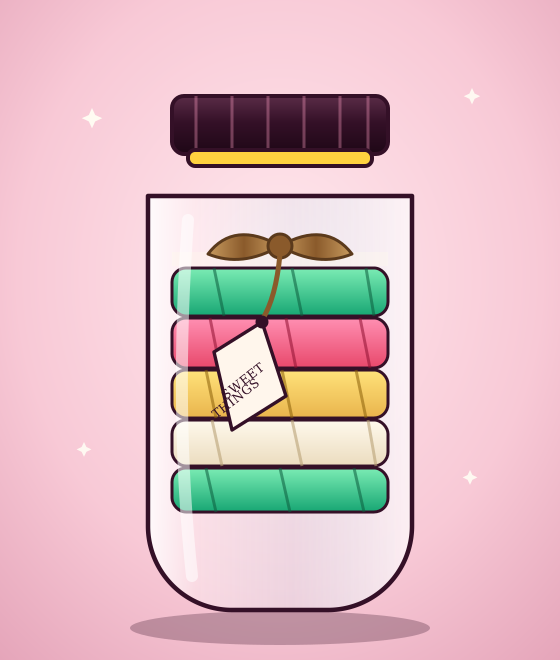
A gifting jar is engineering you can eat. Build from the bottom up, heaviest and sturdiest first, brightest last — the unboxing should feel like a little parade.
A working candy pantry is seven jars and a scoop — no more, no less. Keep these seven stocked and every seasonal pour becomes a fifteen-minute job with a ribbon on top.
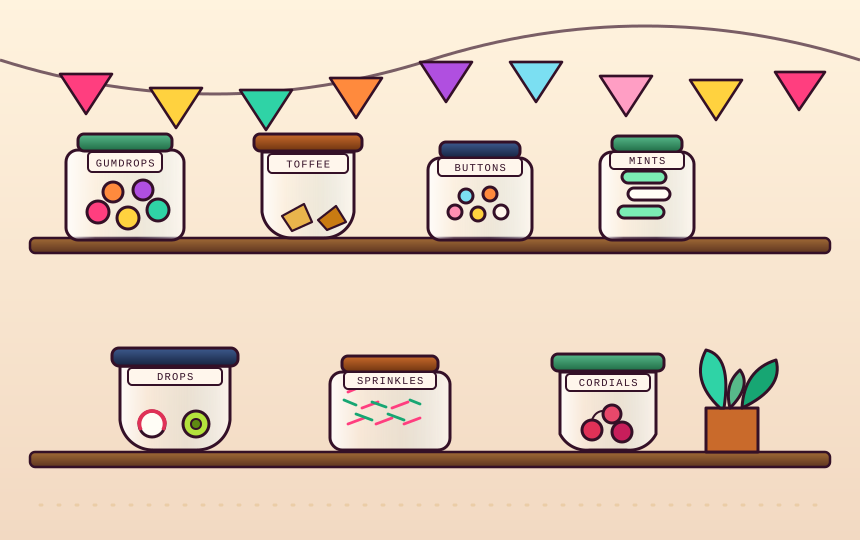
Restock rhythm: hard candy quarterly, gummies and pillows monthly, chocolate only in cool months. If a jar survives three months unopened, it is not lazy — it is a longevity champion, and your future last-minute guest owes it thanks.
Write to the Desk. Tell us who the box is for, what they already reach for at the counter, and we will sketch an assortment back to you within two working days.